- Governance
Governance designed for accountability
CAIIA separates governance, advice, and day-to-day execution. The General Assembly and Executive
Committee exercise policy and oversight authority. The International Advisory Board provides non-binding
insight. The Executive General Secretariat implements approved plans and manages operations.
Governance structure
General Assembly
The General Assembly consists of eligible Full Members and is CAIIA’s supreme governing body. It elects and
removes elected officers, approves strategic directions, annual work programs, budgets, performance
reports, and audited financial statements, and decides reserved matters such as statutory amendments,
major asset decisions, and dissolution.
Executive Committee
The Executive Committee serves as CAIIA’s Board of Directors and strategic supervisory authority. It consists
of not fewer than five and not more than fifteen elected members, with the composition registered or
approved as required. Its responsibilities include strategy, financial oversight, policy, risk management,
membership decisions, key appointments, partnerships, controls, and organizational performance.
President and elected officers
The President is CAIIA’s principal elected officer and legal representative, subject to collective governance
and reserved powers. Vice Presidents support assigned portfolios. The Treasurer-General oversees financial
integrity, controls, reporting, and audit preparation.
Executive General Secretariat
Led by the Secretary-General, the Secretariat manages approved programs, member services, project intake,
research, communications, digital systems, records, compliance, finance, administration, and statutory
reporting.
International Advisory Board
The Executive Committee may appoint senior investors, former diplomats, public officials, development
specialists, industry leaders, legal counsel, and academics to provide non-binding guidance. Advisors have
no governing vote, executive power, or authority to represent CAIIA unless separately authorized in writing.
Specialized committees
The Executive Committee may establish standing or temporary committees under written terms of reference.
These may cover audit, risk and compliance; governance and nominations; finance and resource
mobilization; and programs and partnerships.
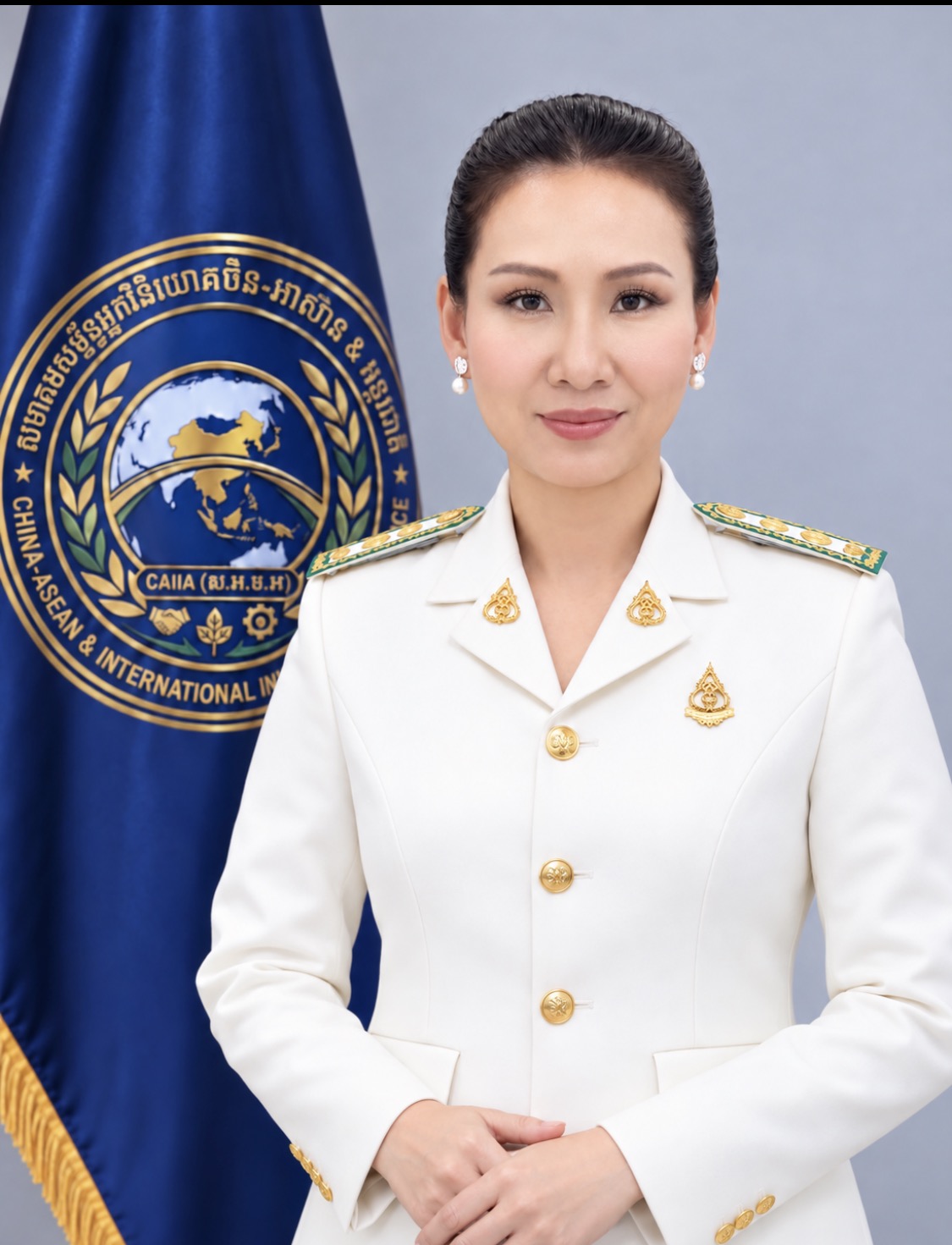
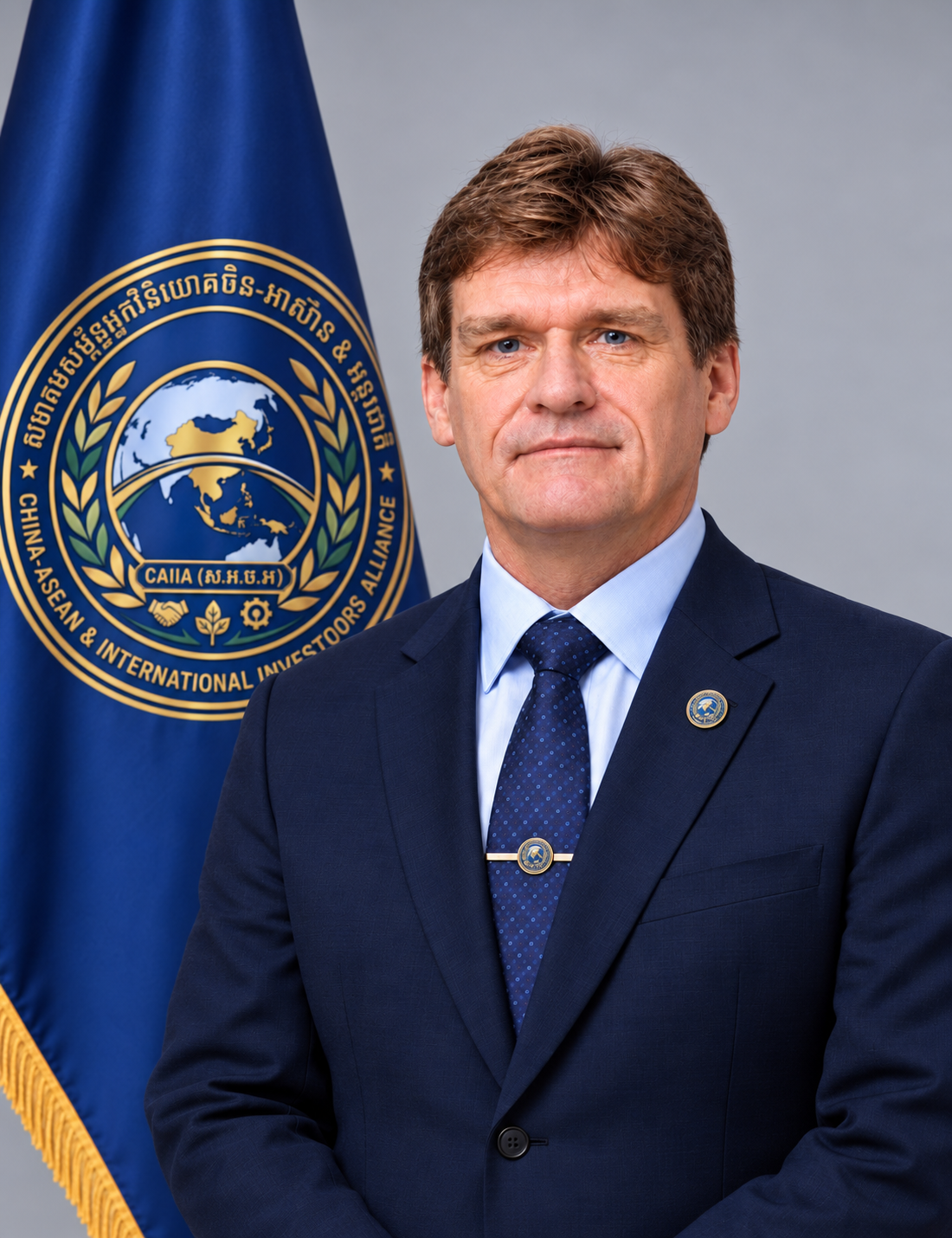
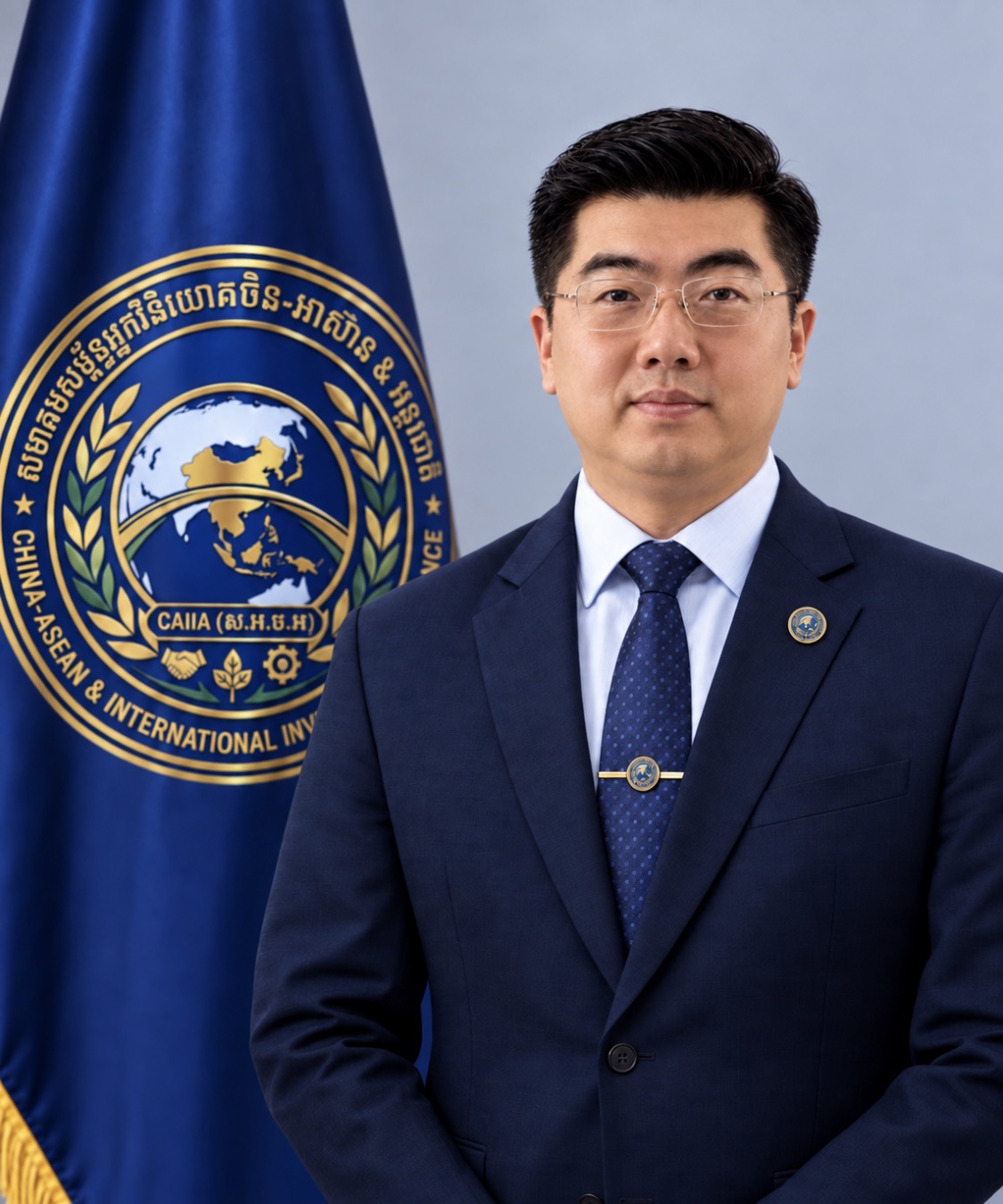
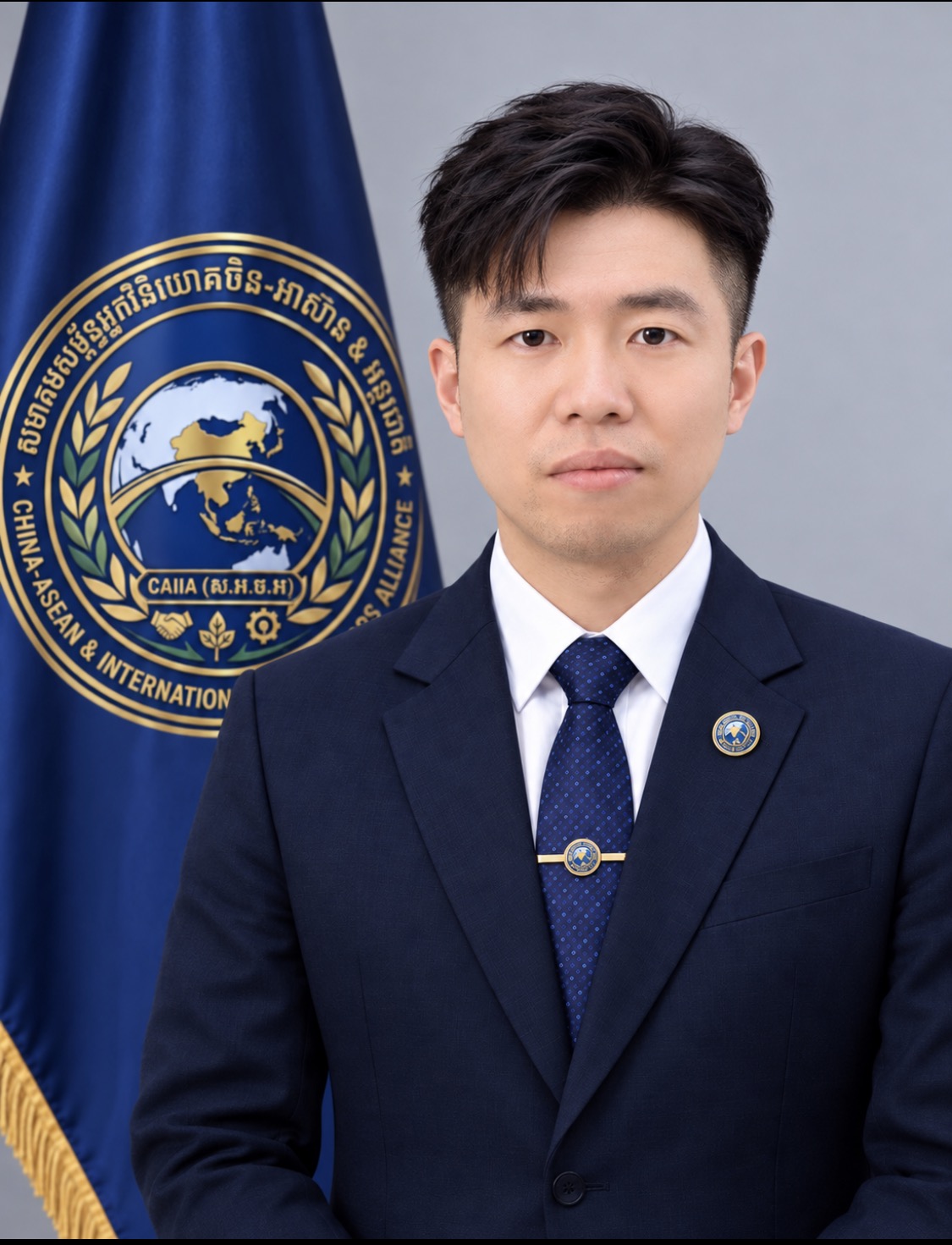
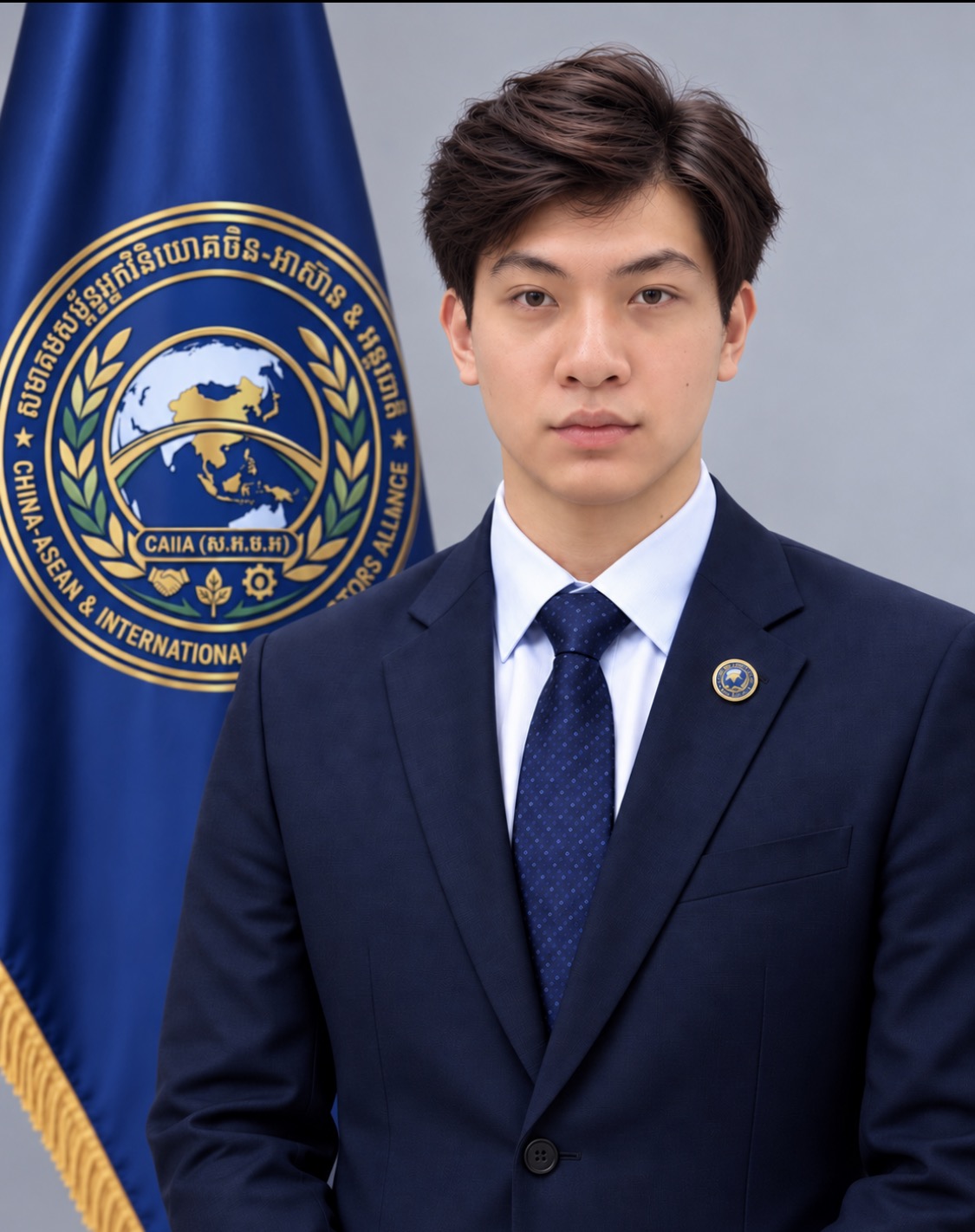
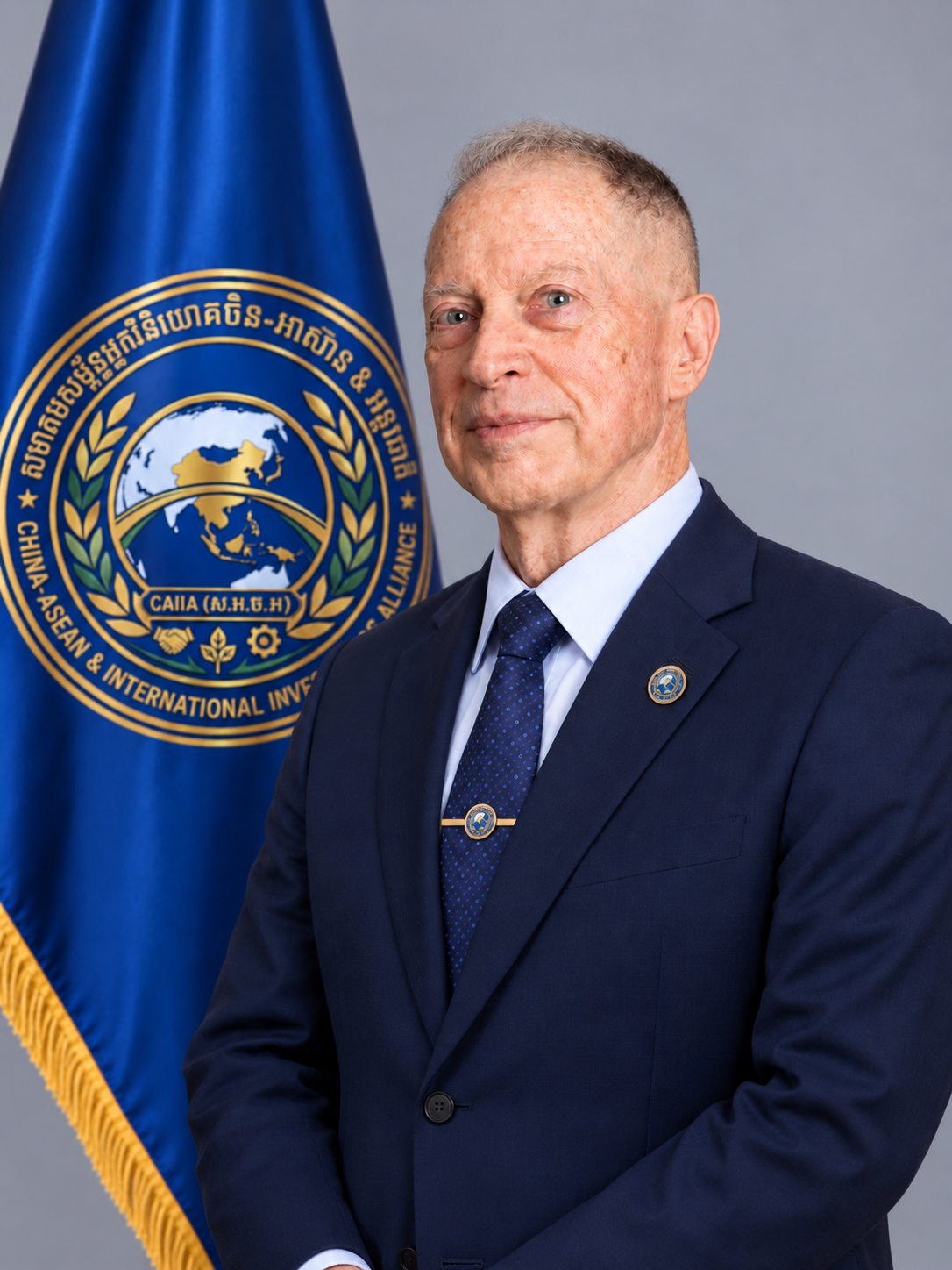
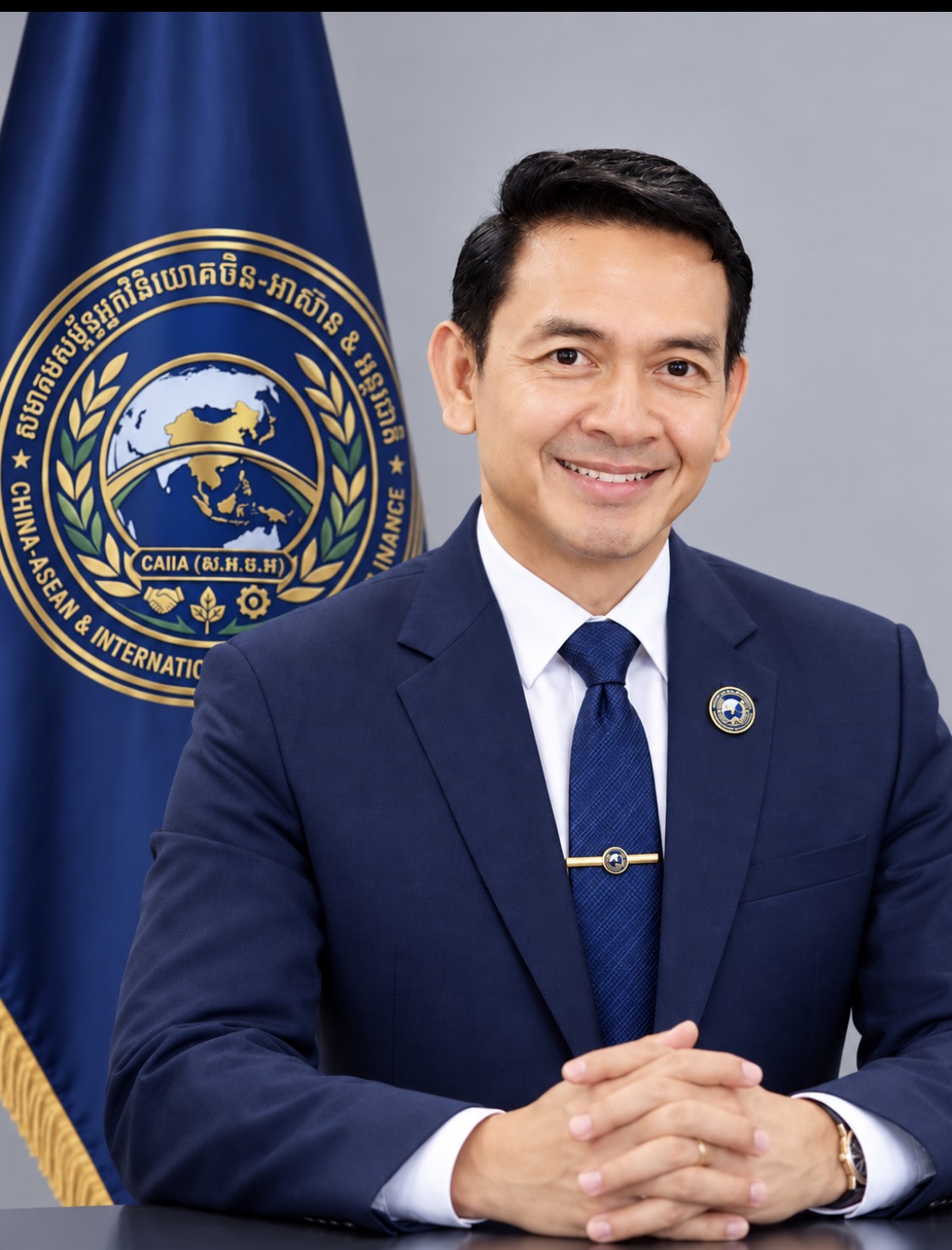
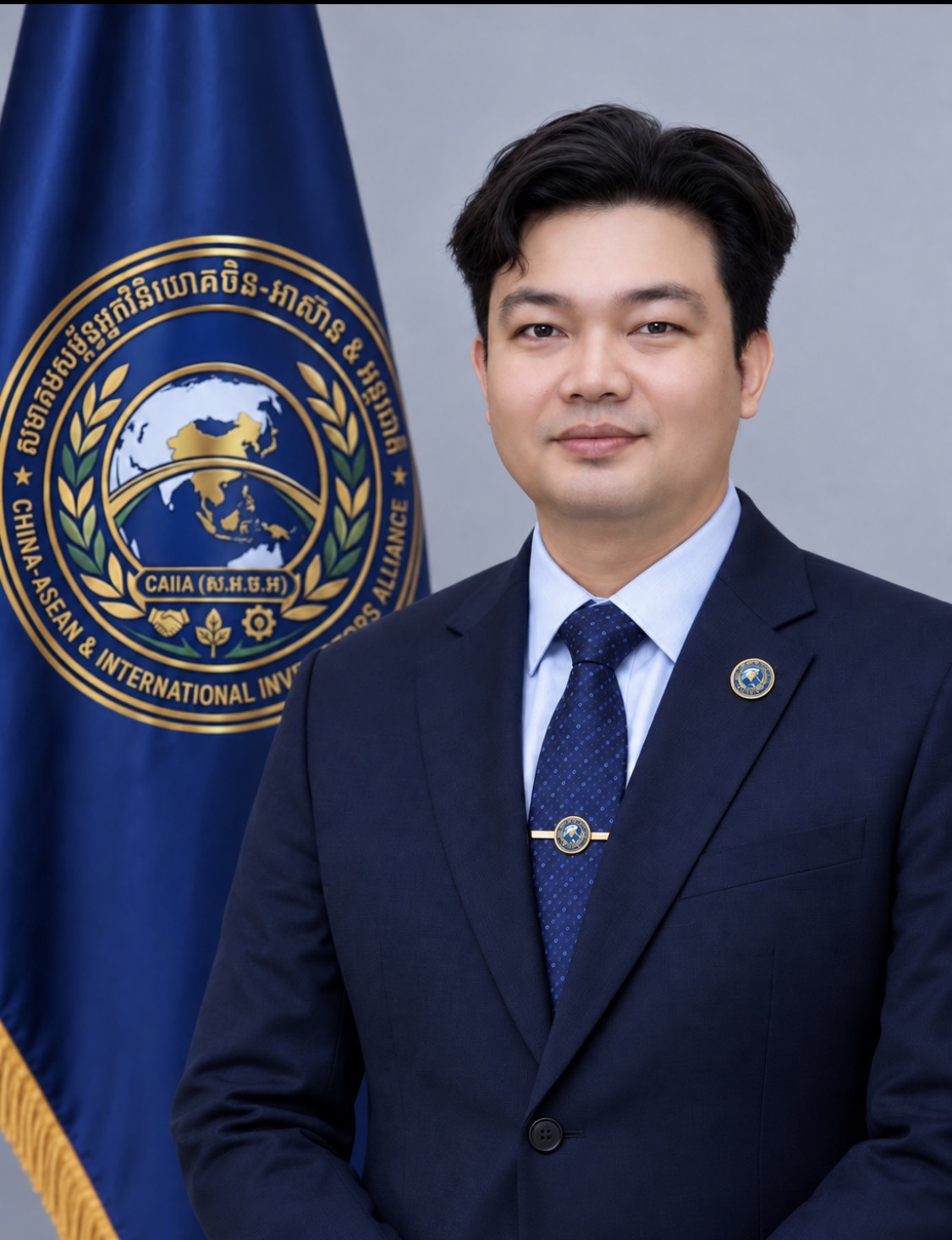
- The composition recorded in Annex 3 of the registered Statutes is:
Executive Committee composition
- Accountability framework
CAIIA maintains or is required to develop controls for
- Conflicts of interest and recusals
- Dual authorization and segregation of financial duties
- Documented procurement and asset management
- Accounting records, annual statements, and appropriate external audit
- Minutes, resolutions, delegations, and corporate records
- Enterprise risk management and escalation
- Member, partner, donor, staff, pipeline, and data records
- Compliance reporting and grievance handling
- Annual performance monitoring and reporting.
- Authorization statement
No officer, member, advisor, employee, partner, or agent may bind CAIIA, use its official seal, incur liabilities, announce an institutional position, or make commitments on its behalf without authority under the Statutes, a valid resolution, or a written delegation.